
Every unit
Each unit's place in the army, in short. The numbers are in the Units table; the info button in the production windows shows the same description, with the unit's attack and defence.
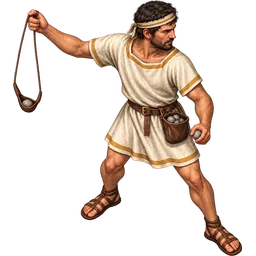
Slinger
The first unit you unlock and the cheapest. It stands in the ranged line, throws stones from behind the front line; its stones do not carry over a wall. It is fragile and runs out of stones; a slinger with no stones left does not die, it falls silent.
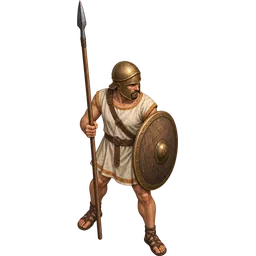
Spearman
The first front-line infantry. It holds the line and protects those behind it; its defence is stronger than its attack. It is no use at all against a wall.
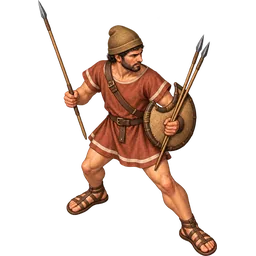
Peltast
Light flank infantry: fast and hard-hitting, but fragile. It clears the opposing flank, then reaches for the enemy's ranged line and engines.
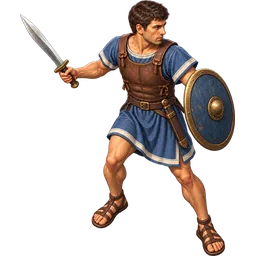
Swordsman
Flank infantry with a short sword, a small round shield and light armour: agile and attack-minded, sturdier than a Peltast and far less durable than a Hoplite. It fights the opposing flank first and cannot get past it while it stands; once it falls, the swordsman reaches for the ranged line and the engines, and only then for the front line, which it hits poorly. Slower than cavalry and a lesser killer of the rear. It never stands in the front line.
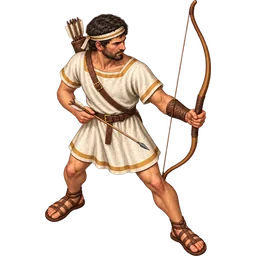
Archer
The core of the ranged line. It hits much harder than a slinger and shoots over the wall; it is fragile and runs out of arrows.
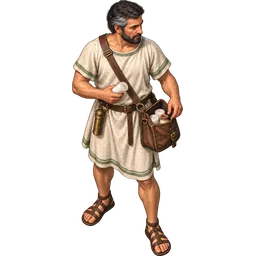
Iatros
A support unit: it does not fight and takes no room on the field. Each round it carries some of the fallen soldiers off the field as wounded; they do not fight again in that battle but go home with your army. If the camp is overrun, they are lost too. It runs out of supplies. More: Support units.
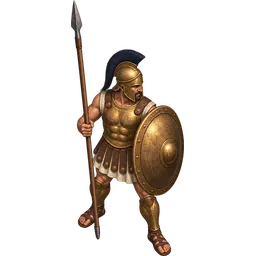
Hoplite
Heavy front-line infantry, the backbone of the army. It is slow but very tough; it holds the line for a long time.
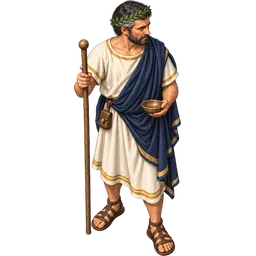
Mantis
The seer who marches with the army: a support unit that does not fight and takes no room on the field. It reduces the morale lost in a bad round, and so delays the army's breaking. It runs out of supplies. More: Support units.
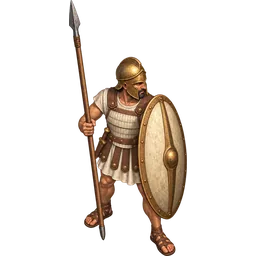
Thureophoros
Infantry with an oval shield; its attack and defence are balanced. It stands in the front line and both holds and strikes.
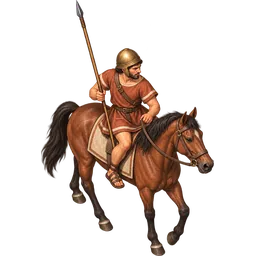
Prodromos
Light cavalry that fights on the flank. It is very fast; once the opposing flank is cleared it is especially effective against the ranged line and the siege engines. On a ship it takes far more room than an infantryman.
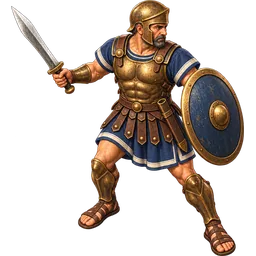
Heavy Swordsman
Flank infantry in a bronze cuirass with a long blade and a large shield: the late-game answer to cavalry. It holds the flank and covers your own ranged line and engines behind it. Slow and costly; once the opposing flank is cleared it strikes the rear with less force than cavalry does, and the front line hardly at all.
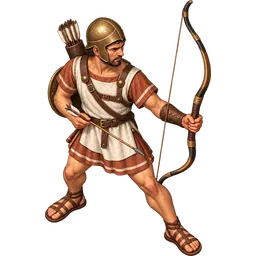
Cretan Archer
An elite archer, the hardest-hitting ranged unit. It is fragile and uses up its arrows quickly.
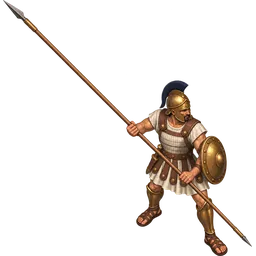
Phalangite
Heavy infantry with a long pike; the sturdiest unit of the front line. It is very slow.
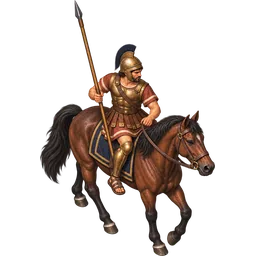
Companion Rider
Heavy cavalry, the strongest striker of the land army. It fights on the flank; it is fast but takes a lot of room on a ship.
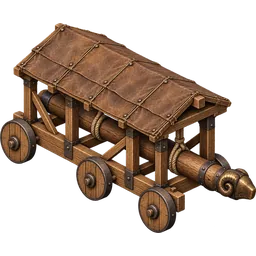
Battering Ram
The first siege engine. It is one of the engines that strike the wall's stone hardest, and it needs no ammunition; it strikes only the wall, never a man. It is very slow and takes a lot of room.
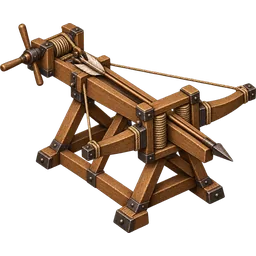
Oxybeles
A light siege engine that shoots bolts. It hits soldiers hard and is weak against the wall; it runs out of bolts.
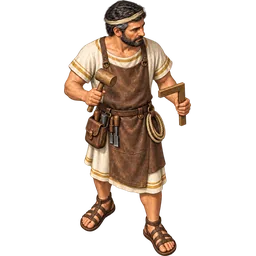
Mechanikos
A support unit: it does not fight and takes no room on the field. Each round it hauls some of the smashed siege engines back to be mended; they do not fire again in that battle but go home with your army. It adds nothing to the attack and never touches the wall. It runs out of supplies. More: Support units.
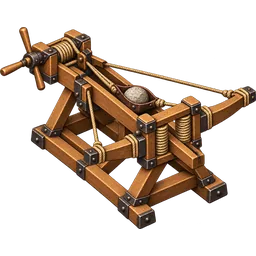
Stone Thrower
An engine that hurls stones; it is useful against both the wall and soldiers. It runs out of stones.
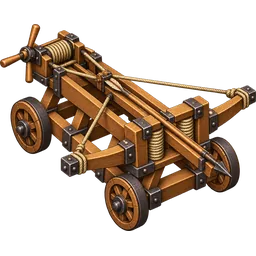
Ballista
An engine that shoots heavy bolts. It is very hard on soldiers and of middling strength against the wall.
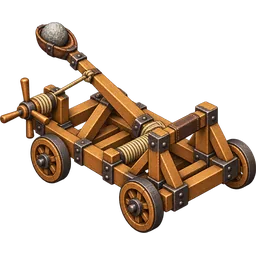
Catapult
An engine that hurls heavy stones. It is strong against the wall and hits soldiers hard as well; it runs out of stones.
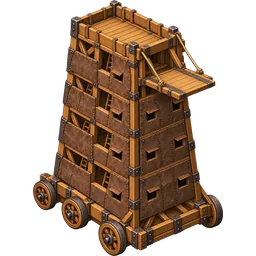
Helepolis
A siege tower, the heaviest of the engines. It hits both the wall and the men hard; it is very slow, costs many citizens and fills a transport ship on its own.
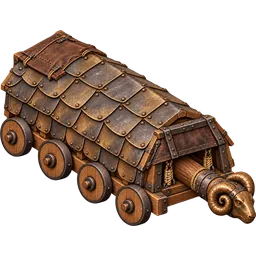
Chelone
A covered ram: a heavy ram swinging beneath a wheeled shed with a plated roof. It batters the wall's stone harder than anything else in the game, needs no ammunition and stands up to arrows longer than any other engine, its roof turning aside even the fire from the battlements; it is built for the highest walls. It is very expensive, has heavy upkeep, is the slowest unit in the army and fills a transport ship on its own. More: Walls and Sieges.
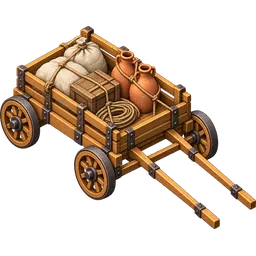
Load Cart
It does not fight, it carries: on the same island, the vehicle that brings a raid's plunder home and carries goods between your own cities. It is built in the Siege Workshop. More: Raiding, Trade.
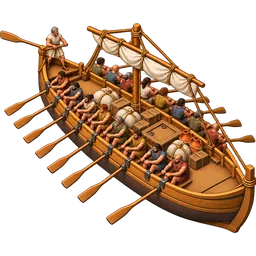
Transport Galley
Not a warship: it carries your army and your resources across the sea. It is built in the Port; overseas campaigns, shipments and trade are impossible without these ships.
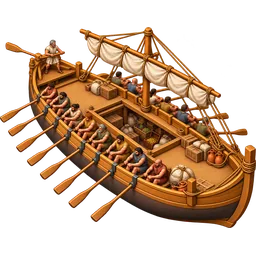
Holkas
The ancient Greek merchantman: it carries far more than a transport galley, but sails a little slower. It is built only once the Port is high enough, and it costs three times what the galley's ladder asks at that step. More: Trade and Transport.
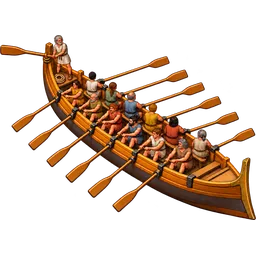
Lembos
The lightest warship. It stands in the screen: it fights the enemy's light ships and stands in front of the line ships. It is fast and cheap. More: Fleets.
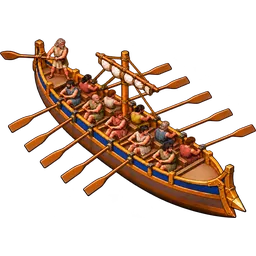
Hemiolia
The tougher ship of the screen; stronger than the Lembos and still fast.
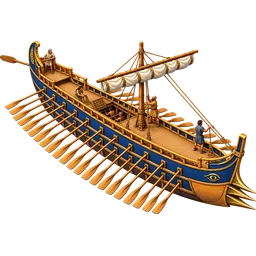
Trireme
The first ship of the line: the classic warship with three banks of oars. It is the line ships that decide a sea battle.
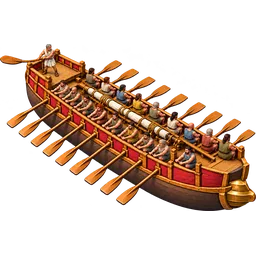
Quadrireme
A line ship stronger and tougher than the Trireme; a little slower.
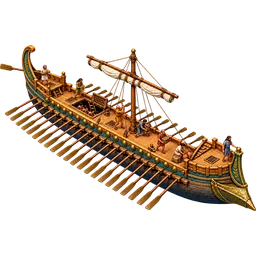
Quinquereme
A heavy line ship; the backbone of large fleets.
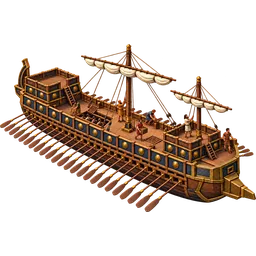
Deceres
The greatest ship on the sea: the strongest and toughest hull of the line, but the slowest.
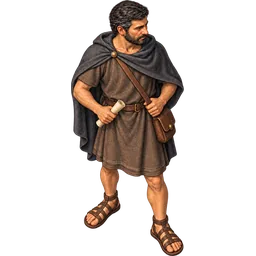
Spy
Trained in the Hideout; it never joins a battle. It is sent to an enemy city and comes back having looked at its garrison, its walls, its warehouse, its buildings, its treasury, its research or the troops in training. More: Espionage.
The figures come from the game's own content. Balance updates can move some numbers; the rules themselves are as written here.